Garden renovation in Sydenham
When a garden no longer feels like part of the home, it may be time for a thoughtful reset. Garden renovation in Sydenham is about more than tidying a few borders or replacing tired turf; it is about reshaping an outdoor space so it works for everyday life, suits the property, and feels enjoyable again. Whether you have a compact rear garden behind a Victorian terrace, a family space near the station, or a larger plot with uneven planting and worn surfaces, a well-planned renovation can transform how you use it.
Many local homeowners and landlords want an outdoor area that is practical, low maintenance, and attractive through the seasons. Others are looking to repair years of neglect, bring structure to an overgrown plot, or create a better layout for entertaining, children, pets, or quiet relaxation. A local team understands the character of Sydenham properties, the challenges of access on residential streets, and the different needs of both domestic and commercial customers.
From the first visit to the final tidy-up, the aim is to make the process straightforward and well organised. A good garden renovation should feel tailored to your home, your priorities, and your budget. If you are planning a fresh start for your garden, this page explains what is involved, what can be included, and how to decide what kind of renovation is right for your outdoor space.
Why garden renovation matters for Sydenham homes

Sydenham has a varied mix of housing, and that variety is one of the reasons local garden projects can be so rewarding. Some properties have narrow side access, sloped rear plots, or older boundary walls that need careful handling. Others have gardens that were once neat but have become tired, patchy, or difficult to maintain. A renovation is a chance to address all of that in one planned project rather than dealing with problems a little at a time.
Garden renovation in Sydenham often starts with a practical question: what do you want the space to do? For some households, the answer is simple storage, safe play space, and a tidy lawn. For others, it may be a dining area, raised beds, better drainage, screening for privacy, or a planting scheme that adds colour without demanding constant upkeep. The best results usually come from making the layout work harder, not just making it look cleaner.
There is also a strong local property value consideration. A well-finished garden can improve how a home feels when viewed from the house and can make day-to-day living more enjoyable. For landlords and commercial premises, tidy outdoor spaces also help present a more cared-for appearance. In a busy area with a mix of commuter households, family homes, and small businesses, a renovated garden or exterior space can make a noticeable difference to first impressions and usability.
What a garden renovation can include

Every garden is different, so the work can range from a simple refresh to a full redesign. Some clients only need selected improvements, while others want a complete transformation from the ground up. A local renovation service can be shaped around the current condition of the garden and the outcome you want to achieve.
Typical garden renovation work may include:
- Clearing overgrown plants, weeds, brambles, and self-seeded growth
- Removing old sheds, broken fencing, damaged edging, or tired hard landscaping
- Releveling ground and improving awkward slopes or uneven patches
- New turfing, lawn restoration, or artificial grass installation where suitable
- Replacing old patio areas, paths, or stepping stones
- Installing raised beds, borders, and defined planting zones
- Improving drainage or managing waterlogging in problem areas
- New fencing, screening, or boundary improvements for privacy
- Planting schemes with seasonal interest and lower maintenance needs
- Decorative finishes such as mulch, gravel, bark, or paving features
Not every project needs all of these elements. In many cases, the most effective renovation is one that focuses on structure, clarity, and ease of maintenance. A garden that is easier to care for is often a garden that gets used more often. That matters whether you want a peaceful retreat, a child-friendly space, or an outdoor area that feels ready for summer gatherings.
How the service works

The renovation process usually begins with an on-site assessment. This is where the current condition of the garden is reviewed and your aims are discussed in detail. It is important to look at how the garden is used now, what is not working, and which features matter most to you. A local team can then suggest sensible options for layout, materials, planting, and practical access.
After the initial discussion, the next stage is planning. This may include deciding what stays, what is removed, and what needs to be replaced or built. Good planning helps avoid surprises during the job. It also makes it easier to sequence tasks logically, such as clearing first, then ground preparation, then construction or planting, and finally finishing touches. Careful preparation often makes the biggest difference to the final result.
Once the work begins, you should expect an organised approach with clear stages and a tidy site. For many Sydenham homes, access can be a key issue, particularly where tools and materials need to be moved through narrow passages, shared entrances, or limited parking streets. A local company is more likely to plan for those conditions and work efficiently around them, reducing disruption to you and your neighbours.
Garden types commonly renovated in Sydenham

Sydenham has a wide range of outdoor spaces, and each one presents its own opportunities. A small courtyard can be turned into a smart, low-maintenance setting with better paving, planting, and storage. A family garden with patchy lawn and overgrown shrubs may need a full reset to create clear zones for play, seating, and planting. A rental property garden may benefit from durable surfaces, easy-care borders, and a layout that is simple to keep under control.
Common local property types include terraced homes, semi-detached houses, period conversions, and homes with split-level or compact rear gardens. In these settings, a renovation may need to maximise every metre of available space. That could mean using vertical planting, choosing slimmer beds, reducing wasted corners, or replacing awkward stepping routes with a more direct and usable design.
Commercial customers also benefit from a well-organised outdoor area. Small offices, community buildings, care settings, hospitality venues, and shared premises may all need external spaces that are neat, safe, and easy to maintain. A practical renovation can improve appearance while also making upkeep simpler for staff or managing agents.
Whether the job is residential or commercial, the goal is the same: create an outdoor space that is safer, better organised, and more enjoyable to use.
Benefits of renovating rather than patching up
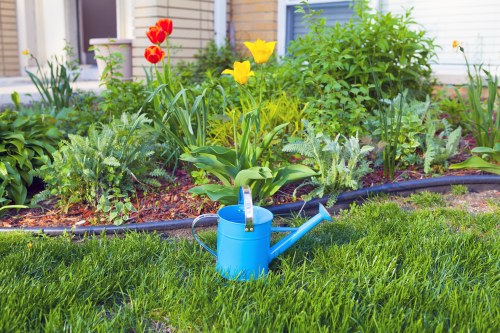
Many gardens are maintained with quick fixes for years before a more complete renovation becomes the smarter choice. If the lawn is thin, the borders are untidy, the paving is uneven, and the planting no longer suits the space, patching each issue separately may cost time and effort without improving the overall feel. Renovation lets you step back and solve the bigger picture.
Some of the main benefits include:
- Better use of space: zoning the garden for dining, planting, play, or storage
- Less maintenance: replacing difficult areas with practical surfaces and suitable planting
- Improved appearance: giving the whole space a cleaner, more coherent look
- Safer footing: addressing uneven paving, slippery areas, or poor drainage
- More privacy: using screening, fencing, or planting to soften overlooked spaces
- Greater enjoyment: making the garden somewhere people actually want to spend time
Renovation is especially useful when the garden no longer matches your lifestyle. A young family might need somewhere robust and easy to supervise. A busy professional household may prefer a simpler layout that takes less upkeep. A retired couple may want seating, accessible paths, and planting that looks good without demanding heavy maintenance. The right design should support the way you live now.
Practical issues local gardens often face
In Sydenham and the surrounding area, certain practical issues come up again and again. Shaded gardens can struggle with mossy lawns and limited planting success. Heavily used spaces can develop compacted soil and muddy patches. Older gardens may have outdated concrete features, unstable borders, or poorly draining areas that become difficult after rainfall. A renovation can address these problems in a structured way rather than leaving them to get worse.
Access and parking are also worth considering early. Some streets have tighter parking arrangements, and some properties have narrow side access that affects how materials are brought in and waste is taken out. This is another reason to use a local team for garden renovation in Sydenham: the work can be planned with real-world conditions in mind. That can save time and help the job run more smoothly from start to finish.
It is also important to think about neighbours and shared boundaries. If you live in a terrace or close-knit residential street, the renovation may need to be organised around considerate working hours, tidy storage of materials, and careful handling of any boundary work. A professional approach should respect the setting as well as the garden itself.
What is usually included in a quote
When you request a quote, it helps to know what is normally considered. The more clearly the project is defined, the easier it is to understand the recommended work. A good quote should reflect the current condition of the garden, the extent of clearing or demolition required, and the level of finish you are aiming for.
Often, a garden renovation quote may account for:
- Initial site assessment and discussion of your priorities
- Clear description of the existing areas to be removed, repaired, or retained
- Ground preparation, levelling, and surface treatment
- Supply and installation of agreed materials
- Labour involved in construction, planting, or installation
- Waste removal and site clearance
- Any practical considerations such as difficult access or limited parking
It is sensible to ask questions about what is and is not included. For example, if you want a new patio and lawn area, will old materials be removed as part of the work? If planting is included, are plants supplied by the team or chosen with you separately? Clear detail helps avoid misunderstandings and makes it easier to compare options fairly.
Preparing your garden before work begins
There are a few simple steps that can make the renovation smoother before the team arrives. You do not need to do everything yourself, but a bit of preparation can help save time and reduce disruption. If you are not sure what needs doing, your chosen team can usually advise after the initial site visit.
Useful preparation steps may include:
- Removing personal items, cushions, toys, planters, or loose garden furniture
- Clearing access routes where possible, especially side paths and gates
- Identifying any areas you want to keep, such as specimen plants or existing features
- Checking whether any boundary lines, shared access points, or neighbour concerns need discussion
- Making sure parking arrangements are understood in advance where space is tight
- Pointing out any hidden issues such as drainage problems, trip hazards, or unstable structures
It is also helpful to think about how you want to use the garden once the renovation is complete. Are you aiming for a child-friendly lawn, a dining patio, a planting-heavy space, or something low maintenance? The clearer your priorities, the easier it is to make sensible choices about materials and layout.
Design choices that work well locally
Not every renovation needs a full redesign, but the choices you make should fit the property and how it is used. In Sydenham, some popular and practical approaches include mixing hard landscaping with planting to create structure, using durable paving for frequently used areas, and keeping the planting scheme focused enough to be manageable. A combination of clean lines and softer borders often works well in both period homes and modern properties.
Raised beds can be useful where ground conditions are poor or where you want better planting control. Gravel or decorative stone can help in side return areas or lower-traffic zones, provided drainage is considered carefully. New turf works well when you want an open family-friendly space, while planting beds can give depth and seasonal interest around the edges. In some gardens, a simple makeover with refreshed borders, edging, and improved surfaces is enough to make a dramatic difference.
Design should always serve the garden, not fight against it. A good local service will suggest options that suit your space rather than forcing a one-size-fits-all solution. That means taking into account light levels, soil condition, slope, drainage, privacy, and the way the property is accessed.
Why use a local company for garden renovation in Sydenham
Working with a local team brings practical advantages. They are more likely to understand the type of properties in the area, the typical access constraints, and the level of finish local customers expect. They also know that not every garden is a blank canvas. Some require careful clearing of established growth, some need sensitive handling around older features, and some need a phased approach to reduce disruption.
A local company is often better placed to offer realistic planning. If your garden has a tight entrance, difficult parking, or shared access with neighbours, these details can affect the timing and method of the job. A team that works in the area regularly is more likely to build that into the plan from the outset rather than treat it as an unexpected problem.
There is also value in continuity. When you choose a local service for renovation work, it is easier to discuss follow-on maintenance, seasonal planting adjustments, or future improvements if you decide to develop the space further later on. That can be especially useful for homeowners who want to improve their outdoor space in stages rather than all at once.
Areas covered and nearby locations
Garden renovation in Sydenham often serves customers across the wider local area as well, including surrounding neighbourhoods and nearby South East London locations. Depending on the project, this may include homes and premises in Forest Hill, Crystal Palace, Penge, Upper Sydenham, Dulwich, and nearby residential streets where gardens vary from compact courtyards to larger family plots.
Covering nearby areas matters because garden needs are often similar across connected neighbourhoods, but access conditions and property styles can still differ. A terrace garden may need more careful logistics than a detached plot. A commercial forecourt may require durable surfaces and low-maintenance planting. A shared residential space may need the work planned around residents and access times. Local experience helps match the service to the setting.
If you are unsure whether your location can be included, it is best to request a quote and outline the type of work you need. The more detail you provide about the site, the easier it is to assess the project accurately and suggest the best next step.
Pricing factors to expect
Garden renovation costs vary because no two gardens are the same. Rather than focusing on a fixed price, it is more helpful to understand the main factors that shape the amount of work required. That makes it easier to compare proposals and understand why one project may need more time or labour than another.
Common pricing factors include:
- The size of the garden and the amount of work involved
- The condition of the existing space, especially if there is overgrowth or heavy clearing required
- Whether old paving, fencing, turf, sheds, or other structures need removal
- The complexity of access for tools, materials, and waste removal
- The materials selected for the finished garden
- Ground preparation needs such as levelling, drainage improvements, or soil replacement
- Whether the project includes planting, turfing, construction, or a combination of services
For many customers, the best value comes from doing the right work in the right order. It may be tempting to skip the preparation stage, but proper groundwork usually leads to a better-looking and longer-lasting result. If you want a renovation that is both practical and attractive, this is where quality really matters.
Frequently asked questions
How long does a garden renovation take?
The timescale depends on the size of the garden, the amount of clearing involved, and the type of work being carried out. A simple refresh may be completed more quickly than a full redesign with new surfaces, planting, and structural changes.
Can you renovate a very small garden?
Yes. Small gardens often benefit the most from careful planning because every part of the space needs to work hard. With the right layout, even a compact Sydenham garden can feel more open and useful.
Do I need to have a full design ready first?
No. Many customers only know what is not working in their current garden. A local site visit can help shape ideas into a practical plan based on the space and your priorities.
Can the service help with low-maintenance gardens?
Yes. Many renovation projects are requested specifically to reduce upkeep. That can involve better materials, simpler planting, and a layout that is easier to keep tidy through the year.
What if my garden has poor drainage?
Drainage issues can often be addressed as part of the renovation plan. The right solution depends on the site, the soil, and how the water is currently behaving.
Is this suitable for landlords and commercial spaces?
Absolutely. Rental gardens, office exteriors, and shared premises can all benefit from a practical renovation that improves appearance and makes ongoing maintenance easier.
Getting ready to request a quote
If your garden is no longer working for you, now is a good time to take the first step. The best starting point is usually a simple discussion about what you want to change, what you want to keep, and how you would like the space to function after the work is done. Once those priorities are clear, it becomes much easier to plan a renovation that feels worthwhile.
Before making an enquiry, it helps to note a few basics about the garden: approximate size, current condition, access points, and any obvious problems such as uneven paving, poor drainage, or dense overgrowth. If there are features you want to retain, mention those too. The more detail you can provide, the more useful the quote process will be.
Contact us today to request a free quote, discuss your ideas, and take the first step toward a garden that feels more usable, attractive, and manageable. Whether you are improving a family garden, updating a rental property, or refreshing a commercial outdoor area, a local renovation service can help you move forward with confidence.
Choosing the right approach for your garden
Not every project needs to start with a large-scale redesign. In some cases, a phased approach works best, especially if you want to spread work over time or make decisions carefully. You might begin with clearing and levelling, then move on to paving or turf, and finally complete the garden with planting and finishing details. This can be a sensible way to manage both the practical and visual sides of renovation.
In other situations, a complete one-stage makeover is the better answer, especially when the current garden is heavily overgrown or poorly laid out. If the space has multiple issues, starting fresh can be more efficient than trying to keep outdated parts in place. A local specialist can help you decide which route is more realistic for your site and your goals.
Whatever the scale, the key is to make decisions based on how you want to live with the garden after the work is finished. A beautiful garden that is awkward to maintain will often become frustrating, while a practical garden with a thoughtful layout tends to stay useful for much longer. That balance is what successful renovation is all about.
Final thoughts on a Sydenham garden transformation
Garden renovation in Sydenham is an opportunity to turn an underused or frustrating outdoor area into something that adds value to everyday life. Whether you need a cleaner, more modern look; better structure; safer access; or a lower-maintenance finish, the right project can reshape how your home feels. It can also make your outdoor space easier to enjoy throughout the year, not just on warm weekends.
For local homeowners, landlords, and businesses, the benefits are both practical and aesthetic. Better use of space, improved boundaries, smarter surfaces, and well-chosen planting can all contribute to a garden that looks cared for and functions properly. When planning is handled well, the result should feel natural, not overdone.
If you are ready to discuss your plans, request a free quote, or book your service now, a local team can help you move from ideas to action with a clear, practical approach. Contact us today and start planning a garden renovation that suits your Sydenham property and the way you want to use it.

